


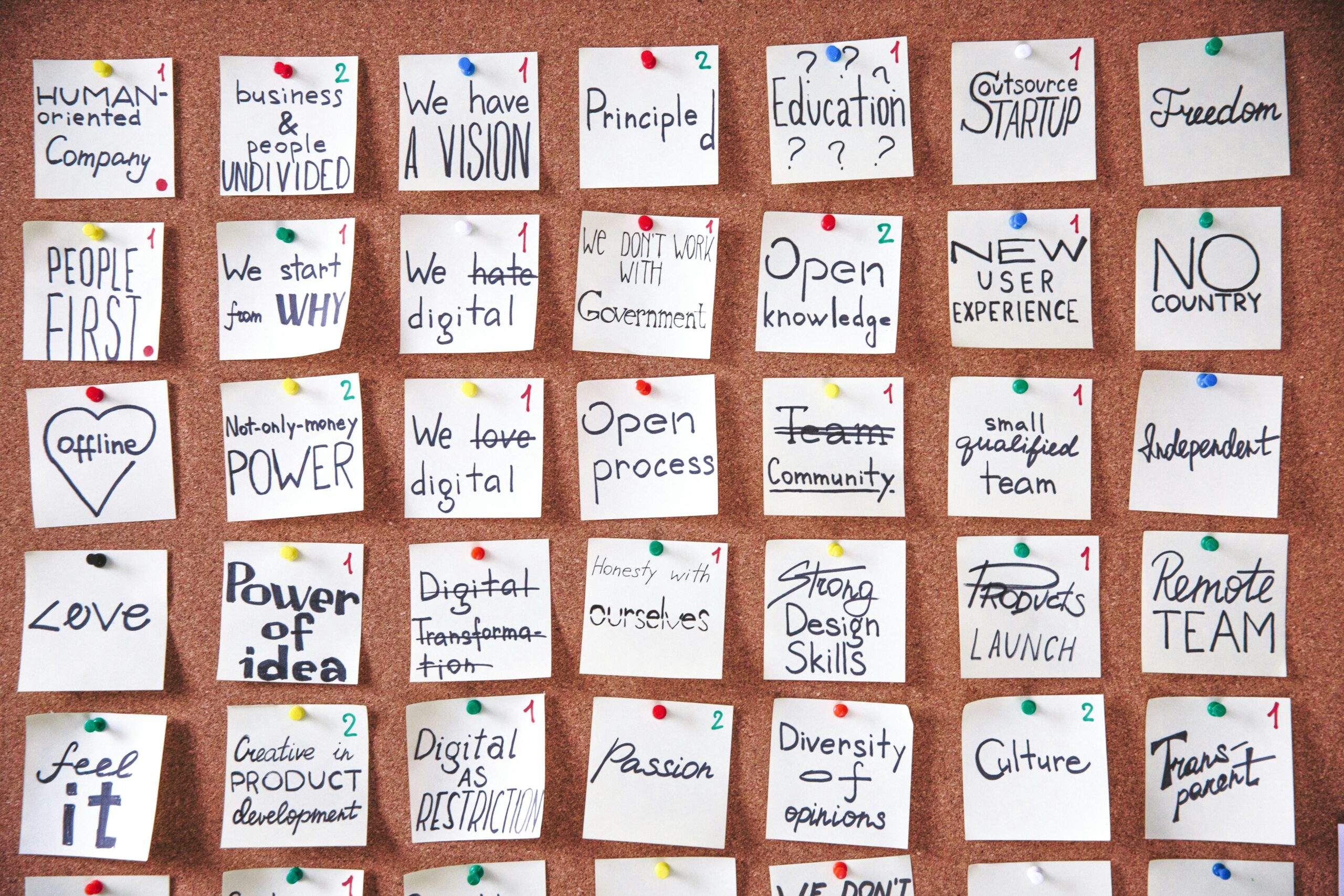
In an era marked by constant technological disruption, global uncertainty, and rapid change, what differentiates businesses that thrive from those that merely survive? Increasingly, the answer lies not in capital or market position, but in something more human: mindset.
At the forefront of this discussion is Carol Dweck, a renowned American psychologist whose research has reshaped how we understand learning, achievement, and leadership. Her concept of the growth mindset has had profound implications across education, sports, and business. For leaders aiming to build resilient, high-performing teams, embracing this philosophy is no longer optional—it’s essential.
Carol Dweck and the Growth Mindset
Carol Dweck, Professor of Psychology at Stanford University, introduced the growth vs. fixed mindset framework in her seminal book, Mindset: The New Psychology of Success (2006). In her research, she discovered that people tend to hold one of two core beliefs about ability and intelligence:
- Those with a fixed mindset believe talents and intelligence are innate and They tend to avoid challenges, give up easily, and view effort as a sign of weakness.
- People with a growth mindset, on the other hand, believe abilities can be developed through dedication, learning, and They are more likely to embrace challenges, persist through obstacles, and learn from criticism.
Dweck’s findings are grounded in decades of research in developmental and motivational psychology. But beyond theory, her ideas offer a transformative lens for leadership and business strategy—particularly relevant for today’s fast-evolving workplace.
Practical Exercises Inspired by Dweck
Although Dweck did not develop formal “therapy” sessions, her research has inspired coaching techniques and exercises that help individuals and organizations build a growth mindset. One powerful and simple tool is the “Power of Yet.” Instead of saying “I’m not good at managing people,” one says “I’m not good at managing people yet.” This subtle shift reinforces the idea that improvement is possible and expected.
Another practice is “mistake reframing”, used in coaching and team meetings. Leaders encourage employees to share what they learned from a failure, reframing errors as opportunities for growth rather than setbacks. These mindset interventions have been shown to boost motivation, resilience, and performance in both individuals and teams.
Why Mindset Matters in Business Leadership
Leadership isn’t only about strategy, vision, or making the right decisions. It’s also about fostering a culture where people feel safe to innovate, learn from failure, and grow. A fixed mindset in leadership can lead to micromanagement, stagnation, and a fear-driven environment. Conversely, a leader with a growth mindset:
- Encourages experimentation and calculated risk-taking
- Sees feedback as a gift rather than a threat
- Cultivates perseverance through adversity
- Builds teams that are more engaged, adaptive, and loyal
In the context of business resilience, mindset directly influences how a company reacts to crises, adapts to market changes, and develops long-term strategic vision. Especially in the post-pandemic economy, where agility and innovation are paramount, leaders with a growth mindset are better equipped to navigate complexity and inspire confidence.
An Italian Example: Brunello Cucinelli’s Humanistic Leadership
While companies like Google and Microsoft are often cited for their progressive leadership models, Italy offers its own standout example: Brunello Cucinelli S.p.A., the luxury fashion brand headquartered in Solomeo, Umbria. Founded by Brunello Cucinelli in 1978, the company is internationally recognized not only for its craftsmanship and quality but also for its “humanistic capitalism”—a leadership style rooted in dignity, care for workers, and long-term thinking. Cucinelli himself embodies a growth mindset. Raised in a humble farming family, he rose to become one of Italy’s most respected entrepreneurs without formal business education. His philosophy centers on treating employees as human beings, not resources. The company invests heavily in employee well-being, education, and culture. Working hours are strictly regulated to protect work-life balance, and profits are regularly reinvested into community projects. This leadership approach has produced remarkable results: strong brand loyalty, low employee turnover, and steady financial growth—even during economic downturns. Brunello Cucinelli demonstrates how a growth-oriented, values-driven leadership style can be both ethical and profitable.
Bringing Growth Mindset to the Italian Workplace
So how can Italian business leaders integrate growth mindset principles into their own companies? Here are some starting points:
1.Model Learning Behavior
Leaders should openly acknowledge their own learning journeys, mistakes, and ongoing development. This sets the tone for a learning-oriented culture.
2.Reward Effort and Progress, Not Just Outcomes
Celebrate not just results, but the perseverance, creativity, and collaboration that lead to them.
3.Foster Psychological Safety
Create environments where employees feel safe to ask questions, voice concerns, and take initiative without fear of judgment.
4.Incorporate Mindset Training into Leadership Development
Offer coaching sessions or workshops based on Dweck’s principles. Encourage managers to read Mindset or similar resources as part of professional development.
5.Reframe Failure as Data
When things go wrong, hold “what we learned” meetings rather than “what went wrong” meetings. This shifts the focus from blame to growth.
Conclusion: Growth Mindset is Strategic Mindset
Carol Dweck’s research reminds us that success is not a matter of inherent genius or talent, but of beliefs about learning and change. In the context of business leadership, adopting a growth mindset fosters adaptability, engagement, and resilience—all critical for long-term success. As Italy continues to modernize its economy, embrace digital transformation, and compete globally, companies that cultivate growth-oriented cultures will have a clear edge. The example of Brunello Cucinelli shows that Italian firms can lead not only in design and manufacturing but also in progressive leadership that values people, purpose, and possibility. For the next generation of Italian business professionals, the message is clear: embrace the mindset of yet, lead with humility and learning, and watch your teams—and your business—grow.
Sources
Dweck, C. S. (2006). Mindset: The New Psychology of Success. Random House. Dweck, C. S. (2014). “The Power of Believing That You Can Improve.” [TED Talk]. Brunello Cucinelli S.p.A. – Company Profile and Annual Reports.
Harvard Business Review. (2016). “What Having a ‘Growth Mindset’ Actually Means.”
Forbes. (2021). “How Brunello Cucinelli Built A Billion-Dollar Brand On Humanistic Capitalism.”